
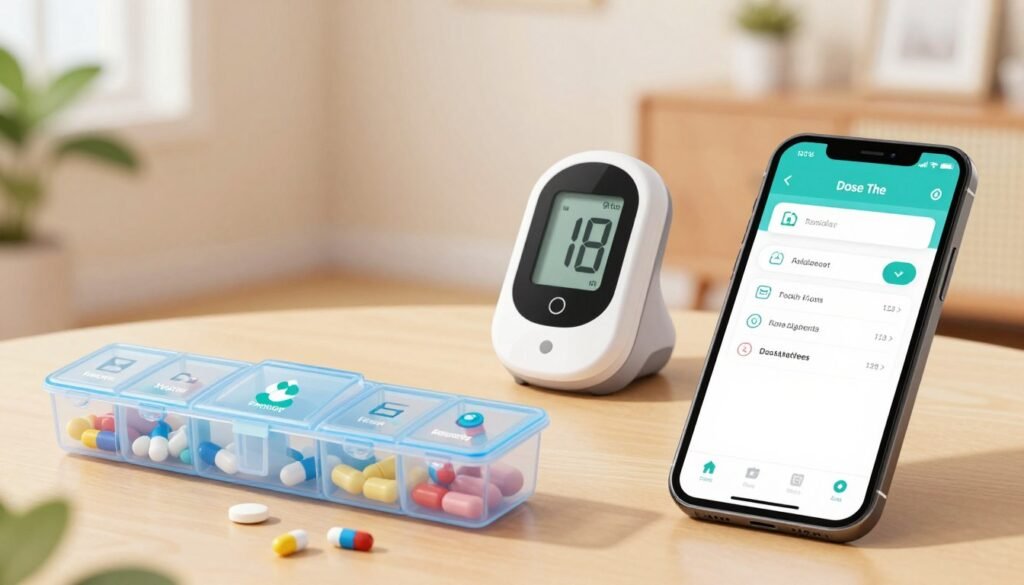
Did you know that nearly 50 percent of patients in the United States don’t take their meds as told? This big problem costs over $100 billion in extra medical bills each year. It also leads to thousands of health issues that could be prevented.
We think technology can help fix this problem by making it easier to follow health plans. Our guide shows how medication adherence tools help people stick to their recovery plans. These digital tools make sure no one misses a dose.
Using smart medication adherence solutions can close the gap between doctor’s orders and daily life. These new tools help improve communication and keep everyone safer. For more info on how these systems can help your practice, call us at (862) 438-8549 or email advocate@doseall.com.
Key Takeaways
- Taking meds as prescribed lowers the risk of going back to the hospital.
- Digital tracking helps patients stay independent while managing chronic conditions.
- Innovative systems cut down the financial load on American healthcare.
- Real-time alerts let health pros step in before a crisis happens.
- Smart tech makes it easier for elderly or busy patients to follow their meds.
- Better adherence leads to improved clinical results and a better life quality.
Understanding Medication Adherence and Its Impact on Patient Health
It’s key for healthcare providers to grasp medication adherence to better patient health and cut costs. Adherence means how well patients follow their doctor’s medication plan. It’s a big deal in healthcare, affecting patient results a lot.
What Is Medication Adherence
Medication adherence is about following a medication plan correctly. It means taking the right amount, at the right time, for the right length. High adherence rates mean better health, but not following the plan can cause problems and cost more.
The Cost of Non-Adherence in Healthcare
Not following medication plans costs a lot in healthcare. It’s said to cost the U.S. healthcare system billions each year. This includes more hospital stays and extra treatments. It also means patients might not feel as well.
Key Factors That Affect Medication Compliance
Many things can make it hard for patients to stick to their medication plans. These include how complicated the plan is, how well the patient understands it, and the cost. Also, any mental or physical issues can play a part.
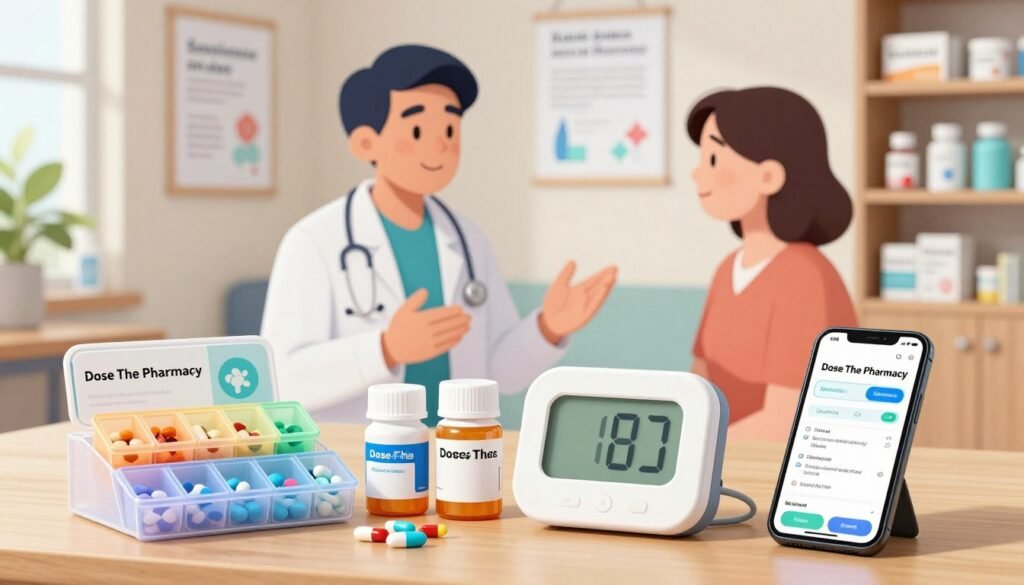
Doctors can help by making plans simpler and clearer. They can also use medication compliance aids and healthcare technology for adherence.
For those having trouble with medication, there are tools and tech to help. We suggest healthcare providers look into these options for their patients. For more details or to talk about how these tools can help your practice, call us at (862) 438-8549 or email us at advocate@doseall.com.
Essential Types of Medication Adherence Tools
There are many tools to help with taking medication on time. These include digital apps, smart pill dispensers, pharmacy blister packs, and wearable devices. Each has its own benefits.
Digital Medication Management Apps
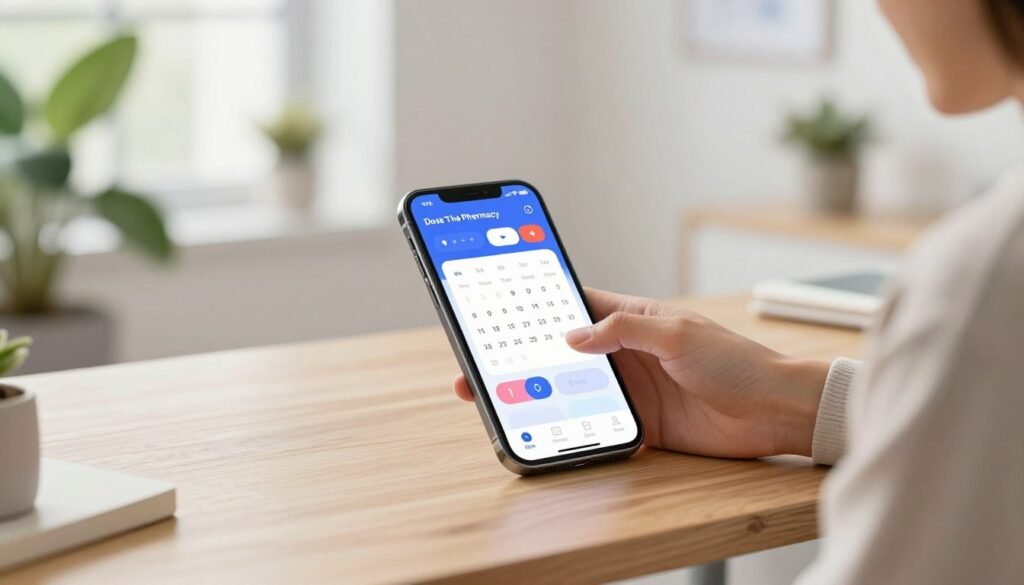
Digital apps help patients manage their meds with reminders and tracking. They are easy to use on smartphones.
Medisafe Medication Management
Medisafe is a top app for managing meds. It sends reminders, warns about drug interactions, and tracks your progress. It helps you stay on track with your meds.
MyTherapy Pill Reminder
MyTherapy not only reminds you to take your meds but also tracks your progress. It also sends motivational messages to keep you consistent.
CareZone Health Organizer
CareZone is a tool for organizing your health. It includes reminders, a health journal, and a place for health documents. It’s a one-stop solution for health management.
Smart Pill Dispensers and Organizers
Smart pill dispensers offer a hands-on way to manage meds. They are great for those who prefer a physical reminder or find digital apps hard to use.
Hero Automatic Pill Dispenser
The Hero Automatic Pill Dispenser dispenses meds automatically. It alerts you with alarms and visual cues. It’s simple and easy to use.
MedMinder Electronic Medication Dispenser
MedMinder has an electronic dispenser that follows a set schedule. It also sends messages to caregivers if a dose is missed.
Pharmacy-Based Blister Pack Solutions
Pharmacy blister packs organize meds by date and time. Pharmacists package them. This makes it easier to follow your medication plan.
Wearable Reminder Devices and Smartwatch Integration
Wearable devices and smartwatch integration offer a discreet way to get reminders. Many apps work with smartwatches, sending reminders right to your wrist.
For more info or to see how these tools can help your practice, call (862) 438-8549 or email advocate@doseall.com.
How to Implement Medication Adherence Solutions Successfully
To improve patient care, healthcare providers need a clear plan for using medication adherence solutions. This means understanding what the patient needs, choosing the right tools, and keeping track of how well they work.
Step 1: Assess Patient Needs and Identify Adherence Barriers
First, you need to know what the patient needs. This means looking at their medical history, current health, and any challenges they face with their medication.
Key factors to consider include:
- Patient’s age and cognitive abilities
- Complexity of the medication regimen
- Patient’s lifestyle and daily routines
- Any previous experiences with medication adherence tools
Step 2: Select the Appropriate Tool Based on Individual Requirements
There are many tools for medication adherence, and picking the right one is key. The choice should match the patient’s needs and preferences.
For instance, digital apps are great for tech-savvy patients. Smart pill dispensers are better for those who like simple, automated solutions.
Step 3: Set Up Your System and Configure Reminder Schedules
After choosing the right tool, set it up and schedule reminders for the patient’s medication.
This may involve:
- Programming the device or app to dispense medication at the right times
- Setting up reminders via SMS, email, or notifications
- Ensuring the patient understands how to use the device or app
Step 4: Monitor Progress and Track Adherence Patterns
It’s important to keep an eye on how well the patient is sticking to their medication plan. This helps spot areas that need improvement and make changes.
Effective monitoring involves:
| Monitoring Method | Description | Benefits |
|---|---|---|
| Regular Check-ins | Regular communication with the patient to discuss their progress and challenges. | Helps in early identification of adherence issues. |
| Adherence Reports | Using data from the adherence tool to track the patient’s adherence patterns. | Provides quantitative data to assess adherence. |
| Patient Feedback | Encouraging patients to provide feedback on the adherence tool and their experience. | Helps in making necessary adjustments to the adherence plan. |
Common Mistakes to Avoid When Using Adherence Tools
Medication adherence tools are helpful, but there are mistakes to avoid for them to work well.
These include:
- Not properly training the patient on how to use the tool
- Failing to regularly monitor and adjust the adherence plan
- Not considering the patient’s preferences and needs when selecting a tool
For more information or to discuss how these tools can benefit your practice, please call us at (862) 438-8549 or email us at advocate@doseall.com.
Conclusion
Getting patients to take their medication is key to better health. Understanding why they might not and using the right tools can help a lot. This makes patient care much better.
We looked at different tools like apps, smart dispensers, and wearable devices. Using them well means following a clear plan. First, figure out what the patient needs. Then, keep track of how they’re doing.
Using the right tools can lead to better health, lower costs, and better care. To learn more about how these tools can help your practice, call us at (862) 438-8549 or email us at advocate@doseall.com.